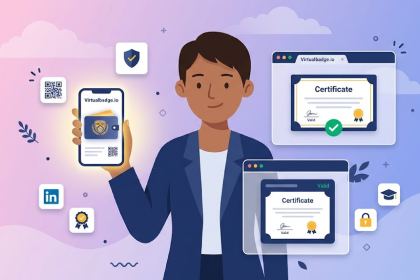
No user accounts required for your recipients -
Start your 7-day free trial now!

How banks, insurers, and financial institutions use verifiable digital credentials to streamline compliance training and build trust.


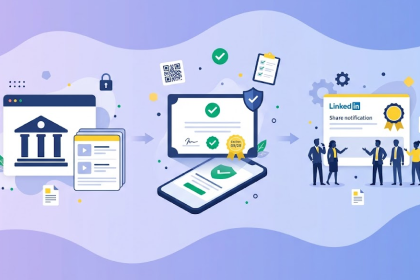
Few industries face as much regulatory pressure as financial services. Banks, insurance companies, asset managers, and fintech firms must ensure that every employee completes mandatory training on topics like anti-money laundering (AML), know your customer (KYC), data privacy, and market conduct. These certifications are not optional. Regulators can audit them at any time, and gaps in documentation can lead to fines or reputational damage.
Yet many financial institutions still manage training records through spreadsheets, PDF certificates, or paper-based filing systems. This creates real problems: certificates get lost, expiration dates are missed, and pulling records for an audit turns into a time-consuming manual task. Digital credentials solve this by providing a structured, verifiable, and tamper-proof way to document every completed training, certification, or qualification across the organization.
Digital credentials fit naturally into several workflows that financial institutions already run:
In financial services, a credential is only useful if it can be independently verified. A PDF certificate attached to an email offers no way to confirm whether it is genuine, still valid, or issued by an authorized party.
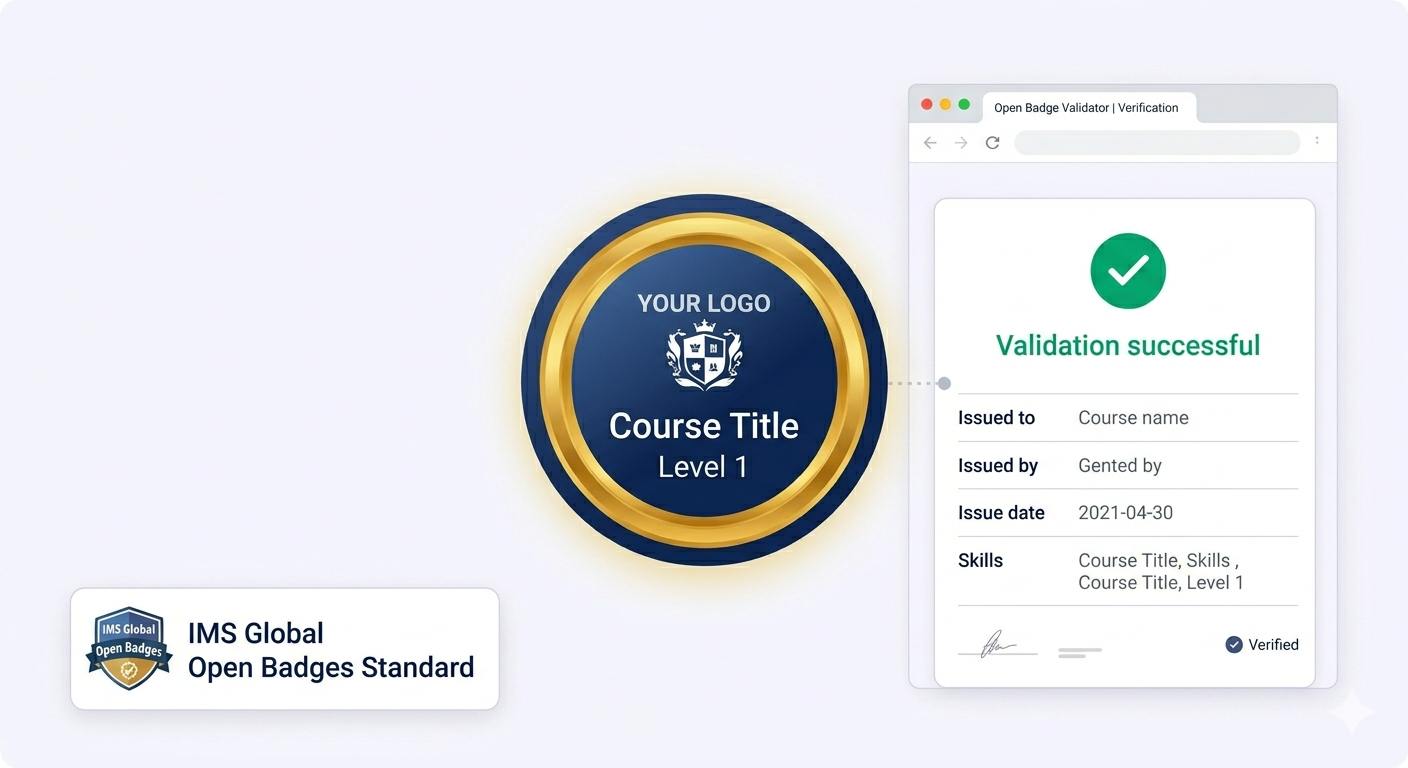
Verifiable digital credentials change this by linking each certificate or badge to a dedicated verification page where anyone, whether an internal compliance officer or an external auditor, can check the credential's status in seconds.
Key trust factors include a unique credential ID, the issuing organization's identity, the date of issuance, expiration dates where applicable, and the specific skills or competencies covered. When credentials follow open standards like Open Badges, they become portable across systems and recognizable beyond the issuing organization. This matters especially when employees move between institutions or when regulators compare records across entities.
Adopting digital credentials delivers measurable improvements across compliance, HR, and marketing functions:
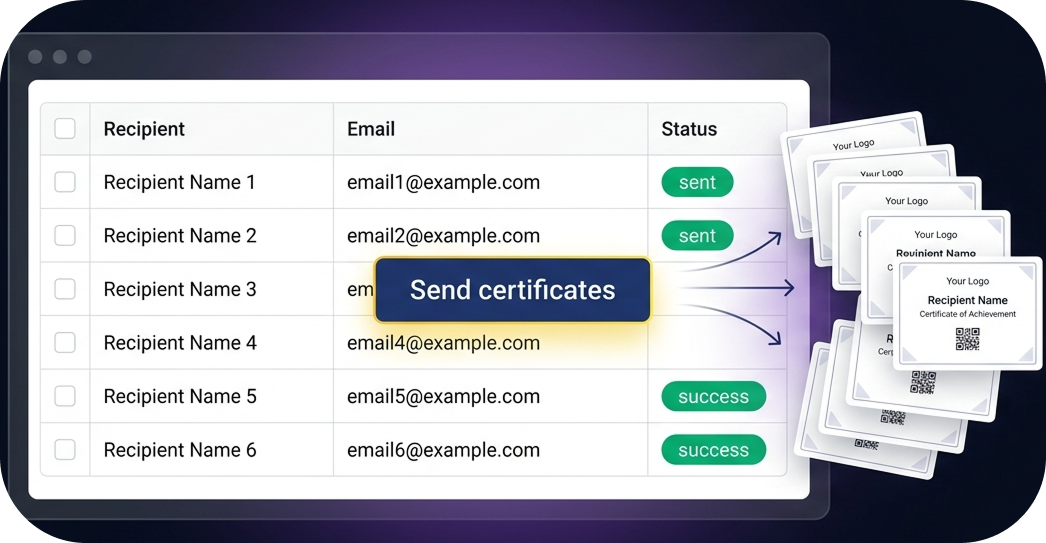
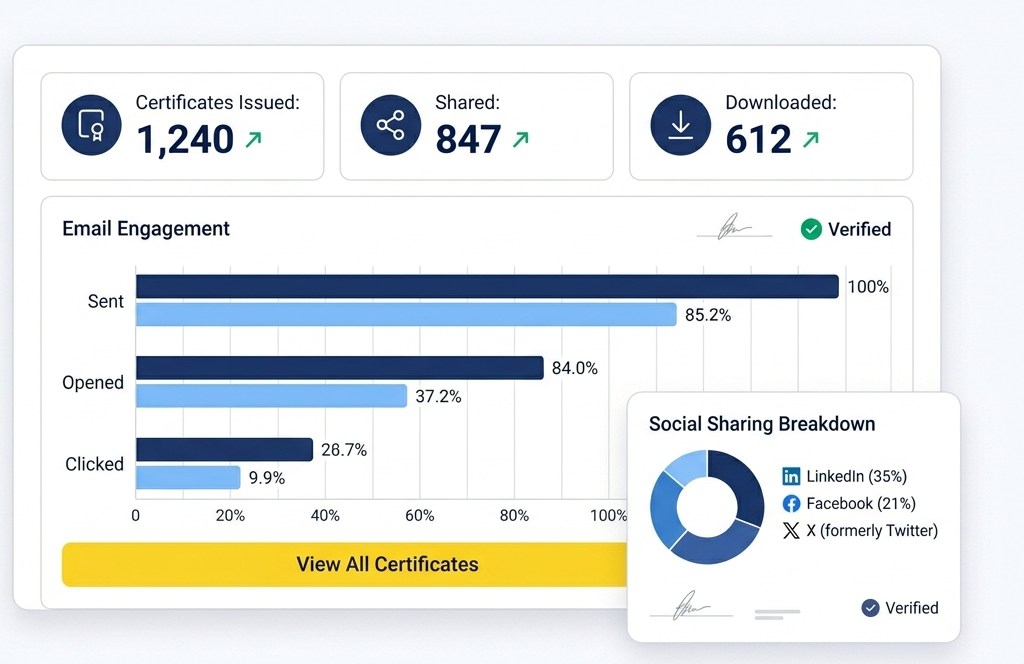
Financial services organizations that move from paper-based certificates to verifiable digital credentials gain more than just efficiency. They build a compliance infrastructure that is audit-ready by default, reduce administrative overhead, and give their employees a modern way to showcase professional growth.
If you want to see how digital credentials can work for your institution, book a free demo with Virtualbadge.io and explore how to issue, manage, and verify credentials at scale.
* You can find the organisation ID in the URL when you access your LinkedIn Company page as an admin.


Marketing

Jun 16, 2026

5 min
A note on how we write: we use AI tools to help with research and drafting. Every article is then reviewed, edited and fact-checked by someone on the Virtualbadge.io team before it goes live. The final word is always human.

Use Virtualbadge.io to design and send digital certificates that create trust - in less than 10 minutes.
%20(1).svg)