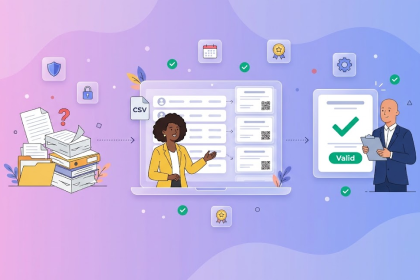
No user accounts required for your recipients -
Start your 7-day free trial now!

A practical guide for education and training providers to implement Open Badges with metadata, issuance, and validation workflows that comply with international standards and data protection regulations


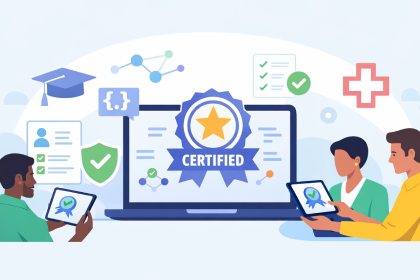
Traditional certificates often end up forgotten in a drawer or buried on a hard drive. Open Badges 2.0 are digital credentials that contain embedded information about learning achievements, skills, or competencies and are designed to be verifiable, portable, and interoperable across platforms. They are based on a public standard managed by the 1EdTech Consortium and described on openbadges.org. This standard ensures that badges carry meaningful metadata so that verifiers can understand what the badge represents and who issued it.
For educational providers like universities, professional training schools, or first aid organizations, Open Badges provide a modern way to recognize learning outcomes beyond simple attendance records.
An Open Badge is not just an image. It is a structured digital object that contains metadata about a specific achievement. The Open Badges 2.0 standard defines how this metadata should be formatted and linked so that systems everywhere can interpret it consistently.
The key components of an Open Badge include:
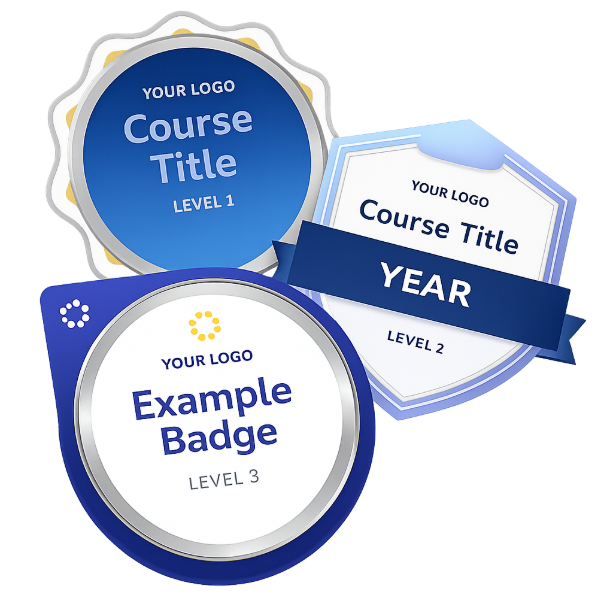
Metadata is typically encoded in JSON-LD so that both humans and machines can read it. This makes badges verifiable by third-party systems and portable across different platforms and learner portfolios. For example, a First Aid Certification badge might carry details about course duration, skills assessed, and links to proof of successful assessment.
Issuing badges effectively means tying badge creation to real-world events such as completing a course, passing an assessment, or attending a workshop. The goal is to move away from manual certificate generation to automated badge issuance so that badges are created instantly once the criteria are met.
Key steps in an efficient issuance workflow include:
Platforms like Virtualbadge.io allow organizations to create badge templates with metadata fields, manage badge issuance lists, and integrate with learning systems.
Try our free Open Badge Creator
One of the biggest advantages of Open Badges is that they can be independently verified. Verification tools read the embedded metadata or follow hosted links to confirm that a badge is authentic and that the issuer is legitimate. This is especially important when badges are presented to external parties such as employers or accreditation bodies.
At the same time, educational institutions must comply with privacy regulations such as the General Data Protection Regulation (GDPR) when they include personal data in badge metadata. It applies to any organization that processes personal data of people in the EU.
GDPR implications for badge programs include:
Balancing verifiability with privacy rights ensures that badges remain useful and compliant. Providers should review their data practices and consent workflows to ensure they respect both Open Badges standards and GDPR requirements.
Open Badges are far more than a tech novelty. They are a practical tool for recognition that helps learners demonstrate skills and helps institutions extend the visibility of their educational programs.
Examples from real-world implementations include:
These use cases show how badges deepen engagement, support learner motivation, and create tangible value for both learners and external audiences.
For real-world examples see our Success Stories
Open Badges 2.0 establish a strong foundation for digital credentialing that is interoperable, verifiable, and packed with descriptive metadata. For education and training providers, implementing badges according to the Open Badges standard means creating credentials that learners can carry forward throughout their careers and that external parties can verify with confidence.
If your organization is ready to enhance its credentialing approach with standardized Open Badge workflows and compliant metadata practices, schedule a free demo to explore how Virtualbadge.io can support your badge creation, issuance, and validation.
* You can find the organisation ID in the URL when you access your LinkedIn Company page as an admin.


Marketing

Mar 16, 2026

4 min
A note on how we write: we use AI tools to help with research and drafting. Every article is then reviewed, edited and fact-checked by someone on the Virtualbadge.io team before it goes live. The final word is always human.

Use Virtualbadge.io to design and send digital certificates that create trust - in less than 10 minutes.
%20(1).svg)